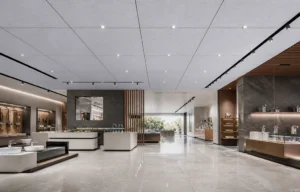
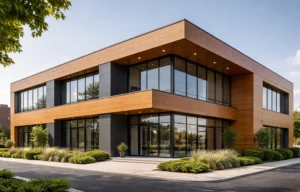
Exterior wall cladding plays a major role in protecting a building from heat, rain, dust, and pollution while enhancing its architectural appeal. In India’s diverse climate—ranging from coastal humidity to harsh summers—choosing the right cladding material becomes a crucial decision for homeowners, architects, and builders.
Two materials often compared in this category are ACP sheets and PVC sheets. While both are widely used in construction, their suitability for exterior applications is very different. This blog breaks down their core differences, pros, cons, and real-world performance to help you make the right choice.
-
-
-
-
-
-
-
-
- Introduction: Material Choice Matters for Exterior Walls
- What Is an ACP Sheet?
- What Is a PVC Sheet?
- ACP Sheet vs PVC Sheet: Key Differences for Exterior Cladding
- Advantages of ACP Sheets for Exterior Wall Cladding
- Limitations of ACP Sheets
- Advantages of PVC Sheets (Mostly for Interiors)
- Why PVC Sheets Are Not Suitable for Exterior Wall Cladding
- Real-World Use Cases: ACP vs PVC
- Cost Comparison: ACP Sheet vs PVC Sheet
- Why Builders and Architects Prefer ACP Sheets for Exterior Walls
- Conclusion: Which Is Better for Exterior Wall Cladding?
-
-
-
-
-
-
-
Introduction: Material Choice Matters for Exterior Walls
Exterior walls face constant exposure to natural elements. The wrong material can quickly fade, warp, crack, or weaken, leading to structural and financial loss. This is why modern construction increasingly relies on engineered materials like ACP sheets (Aluminium Composite Panels) rather than basic plastic-based alternatives such as PVC sheets.
Let’s examine what each material is designed for—and which one performs better outdoors.

What Is an ACP Sheet?
An ACP (Aluminium Composite Panel) sheet is a multi-layered cladding material made from:
- Two aluminium layers
- A strong core (LDPE or FR-grade core)
- A protective PVDF / FEVE coating
This structure makes ACP sheets:
- Strong and dimensionally stable
- Weather-resistant
- UV-resistant
- Suitable for large-scale wall cladding
- Aesthetic and premium-looking
ACP is widely used for:
- Exterior wall cladding
- Façades of commercial buildings
- House front elevation
- Showrooms and branding
- Balcony coverings
- Interior wall panels
The aluminium layers make the panel rigid, while the protective coating ensures long-term colour stability and lifetime performance outdoors.

What Is a PVC Sheet?
PVC (Polyvinyl Chloride) sheet is a plastic-based panel made primarily for interior applications.
It is commonly used for:
- False ceilings
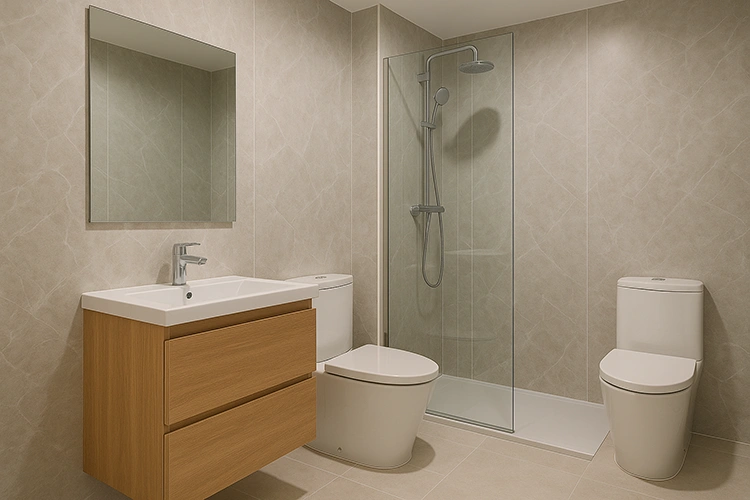
- Bathroom wall panelling
- Temporary partitions
- Low-budget interior renovations
While PVC sheets are lightweight and inexpensive, they are not designed to handle high heat, sunlight exposure, or outdoor weather conditions.
ACP Sheet vs PVC Sheet: Key Differences for Exterior Cladding
Below is a simple, clear comparison:
| Feature | ACP Sheet | PVC Sheet |
|---|---|---|
| Weather Resistance | Excellent | Poor |
| UV Resistance | High | Very Low |
| Strength | Strong (aluminium-based) | Weak (plastic-based) |
| Exterior Lifespan | 10–20 years | 1–3 years |
| Fire Safety | Available in FR grade | Can melt or deform |
| Heat Tolerance | High | Low |
| Aesthetic Options | 300+ finishes | Limited |
| Best Use | Exterior cladding | Indoor wall panels |
This table makes it clear that ACP sheets are engineered for stable outdoor performance, while PVC sheets are suitable only for indoor usage.
Advantages of ACP Sheets for Exterior Wall Cladding
Superior Weather & UV Resistance
ACP sheets are coated with PVDF or FEVE layers that protect them from:
- Direct sunlight
- UV fading
- Heavy rainfall
- Dust and pollution
They do not warp, peel, or crack under extreme temperatures.
High Durability for Long-Term Use
The aluminium outer layers give ACP sheets excellent structural stability.
This makes them ideal for:
- High-rise buildings
- Commercial façades
- Large exterior surfaces
They stay rigid and intact even after years of exposure.
Premium Aesthetic Appeal
ACP sheets come in a wide range of designs such as:
- Wooden textures
- Stone & marble patterns
- Metallic & brushed aluminium
- Solid matte & glossy colours
These designs maintain their richness for years—something PVC cannot provide outdoors.
Fire-Retardant Options
ACP sheets are available in FR-grade, which slows down fire spread.
This safety benefit is crucial for:
- Malls
- Hospitals
- Schools
- Apartments
- Commercial complexes
PVC sheets, on the other hand, are plastic-based and can melt or deform under heat.
Low Maintenance
ACP sheets require minimal cleaning—just water and mild soap.
No polishing, painting, or special treatment is needed.
Limitations of ACP Sheets
To maintain a balanced comparison:
- ACP requires proper metal framing for installation
- Not suitable for load-bearing applications
Very low-quality ACP brands may fade—premium-grade panels avoid this
Advantages of PVC Sheets (Mostly for Interiors)
Even though PVC is not suitable for exteriors, it has some benefits for indoor use:
- Very lightweight
- Easy to install
- Water-resistant (good for bathrooms)
- Budget-friendly
- Good for temporary or low-budget partitions
But these indoor advantages do not translate into outdoor performance.
Why PVC Sheets Are Not Suitable for Exterior Wall Cladding
PVC sheets have multiple outdoor limitations:
Poor UV Resistance
They fade rapidly under sunlight.
Low Heat Tolerance
PVC softens and deforms under heat, making it unsafe for hot climates.
Weak Structural Strength
PVC lacks the rigidity needed for building façades.
Short Outdoor Lifespan
PVC sheets may last barely 1–3 years outdoors, making them highly uneconomical.
PVC simply was not engineered for weather exposure.
Real-World Use Cases: ACP vs PVC
Best Uses for ACP Sheets
- Building façades
- Exterior wall cladding
- House front elevations
- Balcony coverings
- Commercial complexes
- Branding & signage
- High-rise architecture
Best Uses for PVC Sheets
- False ceilings
- Bathroom interiors
- Temporary partitions
- Low-budget interior design
PVC wall panels works well indoors but fails in exterior applications.

Cost Comparison: ACP Sheet vs PVC Sheet
While PVC sheets are cheaper initially, they cost much more when used outdoors due to:
- Frequent replacement (every 1–3 years)
- Fading & cracking
- Low durability
ACP sheets, despite a slightly higher initial price, offer:
- 10–20 years of lifespan
- Very low maintenance
- High durability
- Excellent long-term value
For exterior wall cladding, ACP is clearly more economical over time.
Why Builders and Architects Prefer ACP Sheets for Exterior Walls
Professionals choose ACP because it offers:
- Better performance against Indian weather
- Long-lasting colour stability
- Premium visual impact
- Higher safety standards
- Low maintenance
- Easy installation
- Excellent value for money
These advantages explain why ACP sheets dominate the exterior wall cladding market in India.
Conclusion: Which Is Better for Exterior Wall Cladding?
While both materials have their uses, ACP sheets are undoubtedly the better choice for exterior wall cladding.
They offer:
- Superior weather resistance
- Higher durability
- Modern aesthetics
- Fire safety options
- Long-term cost efficiency
PVC sheets should be used only for interior spaces where there is no direct exposure to sunlight or harsh weather.
For strong, stylish, and reliable exterior cladding, ACP sheets remain the industry’s preferred material across India.