When you’re planning an exterior elevation or refreshing a commercial façade, the most common comparison is simple: “What’s cheaper today—plaster & paint or ACP?”
But the better question is: which option delivers better value over the next 5–10 years?
In India, buildings face intense summer heat, heavy monsoons, dust, pollution, and often inconsistent maintenance schedules. That’s exactly why a “long-term value” lens matters. Let’s compare ACP sheet cladding and traditional plaster + paint in a practical, real-world way.
- 1) What You’re Actually Comparing
- 2) Upfront Cost: What You Pay For (Not Just the Material)
- 3) Durability in Indian Conditions: Heat, Monsoon, Dust & Pollution
- 4) Maintenance & Repainting Cycles: The Hidden Long-Term Cost
- 5) Aesthetics & Design Flexibility Over the Years
- 6) Installation Time, Site Mess & Execution Risk
- 7) Thermal Comfort & Practical Benefits
- 8) Safety & Compliance Considerations
- 9) Sustainability Angle: What’s the Greener Choice?
- 10) Quick Decision Guide: Which Should You Choose?
- 11) MAPL Perspective: Getting Better Long-Term Value from ACP
- FAQs
- Conclusion: The Better Long-Term Value Depends on Your Goal
1) What You’re Actually Comparing
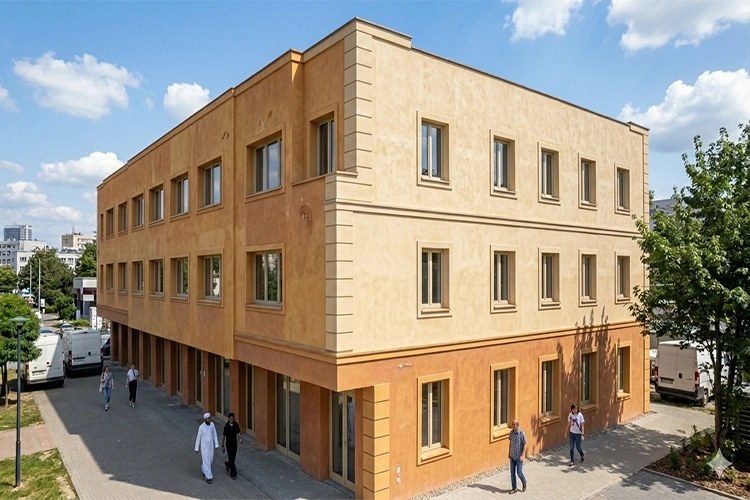
Traditional plaster + paint
This usually involves surface preparation, plaster/repair work, putty, primer, and multiple coats of paint. It’s widely used for residential exteriors, boundary walls, and simple commercial buildings.
ACP sheet cladding
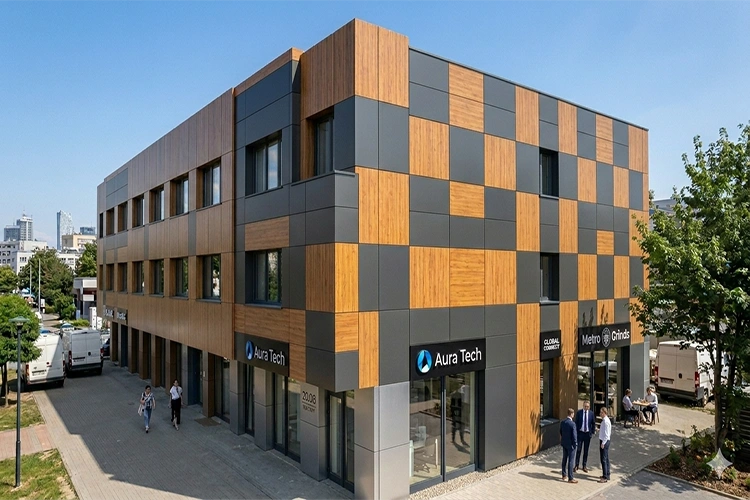
An ACP (Aluminium Composite Panel) is a factory-finished panel installed on a supporting framework (subframe) with trims and accessories. It’s commonly used for modern elevations, commercial façades, signage areas, showrooms, petrol pumps, and feature zones on homes.
Both can look good initially—the difference shows over time.

2) Upfront Cost: What You Pay For (Not Just the Material)
Plaster & paint: labour and repetition
- Surface repairs and levelling
- Putty/primer/paint coats
- Scaffolding for height
- Drying/curing time and weather dependency
- Rework if cracks, damp spots, or uneven finish appear
Even if paint is “cheaper,” the process is labour-heavy. The final quality depends greatly on site workmanship and weather.
ACP sheet: system cost, not just sheets
ACP cladding includes:
- ACP panels (factory finished)
- Subframe / framework
- Fasteners, trims, sealants
- Installation labour
ACP may look higher in initial quotes because it’s a complete façade system. However, for many commercial projects, the time saved and reduced maintenance can significantly improve total value.
3) Durability in Indian Conditions: Heat, Monsoon, Dust & Pollution
Plaster & paint performance over time
Traditional plaster and paint can degrade due to:
- Hairline cracks from settlement and thermal movement
- Peeling or flaking paint after repeated heat + rain cycles
- Damp patches from seepage, especially in monsoon
- Algae/fungal growth in humid zones
- Chalking and fading from sun exposure and pollution
Even with premium paint, exteriors often need periodic repair and repainting to maintain a fresh look.
ACP sheet performance over time
ACP cladding, when installed correctly and specified properly for exterior use, offers:
- A more stable, uniform surface (factory-coated finish)
- Better resistance to common exterior wear like dust and pollutants (cleaning is easier)
- A façade “shield” effect that reduces direct exposure of the wall surface
The key is choosing the right grade and coating (especially for exterior applications) and using correct installation practices.
4) Maintenance & Repainting Cycles: The Hidden Long-Term Cost
This is where long-term value becomes clearer.
Plaster & paint
Over 5–10 years, you may face:
- Repainting cycles (often sooner in harsh climates)
- Patchwork and touch-ups that don’t match perfectly
- Re-scaffolding costs for multi-storey properties
- Additional waterproofing or crack repairs in problem zones
Even if each repaint seems manageable, the repeated cost and disruption add up.
ACP sheet
ACP generally needs:
- Periodic cleaning with mild soap and water
- Occasional replacement only if a panel is physically damaged
Because it’s modular, if one section gets damaged, you can replace that portion without redoing the entire façade.
In simple terms: plaster & paint often becomes a recurring expense, while ACP is usually a lower-maintenance, longer-cycle solution.
5) Aesthetics & Design Flexibility Over the Years
Plaster & paint
Pros:
- Simple, familiar, and widely available
- Colour refresh is easy with repainting
Limitations:
- Repairs may leave visible patches
- Finish can look uneven after multiple touch-ups
- Premium textures require skilled workmanship and still age with weather
ACP sheet
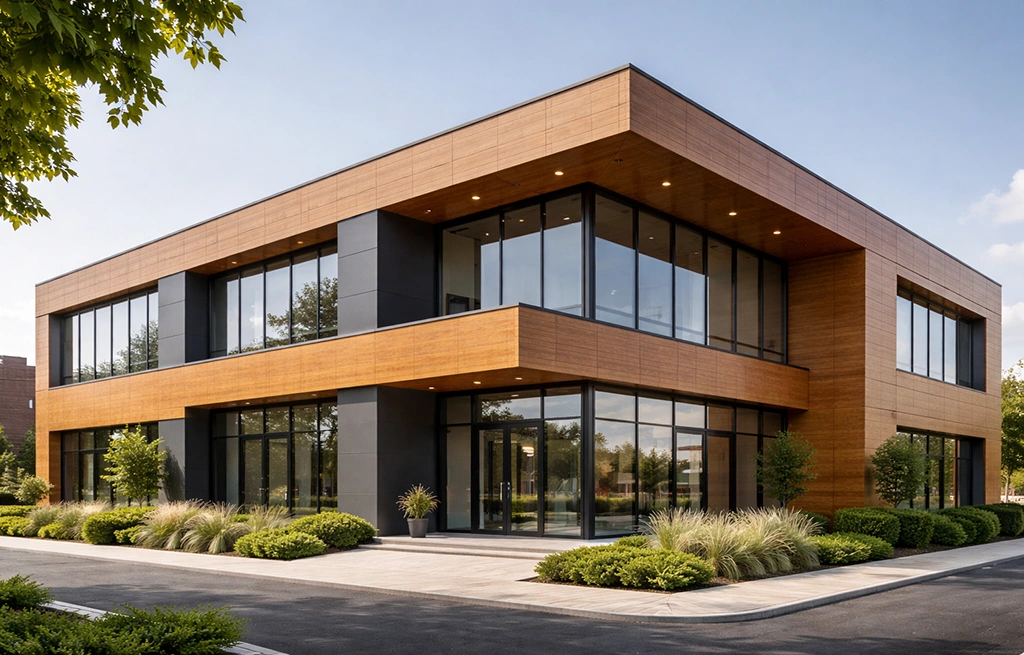
ACP is popular in modern architecture because it offers:
- Clean lines and sharp edges
- Consistent colour and finish across large surfaces
- Wide finish options (solid colours, metallics, wood/stone patterns, etc.)
- Strong branding impact for commercial façades and showrooms
If you want a contemporary elevation with a “finished” look, ACP usually holds its visual appeal longer with less effort.

6) Installation Time, Site Mess & Execution Risk
Plaster & paint
- Multiple stages, drying time, and dependence on climate
- Dust and mess from surface preparation
- Higher risk of uneven final output due to workmanship differences
ACP sheet
- Faster façade transformation once framework is ready
- Cleaner site execution compared to plaster/paint cycles
- More predictable results because panels are factory-finished
Both options require skilled labour—but ACP outcomes are generally more consistent when installed by trained teams.
7) Thermal Comfort & Practical Benefits
Painted plaster walls provide limited insulation unless combined with additional systems.
ACP cladding can be installed in ways that create an air gap between the wall and panel, which may help reduce direct heat transfer perception and improve comfort—especially for west-facing walls. Results vary based on design, ventilation, and the overall building envelope, but many projects prefer cladding systems for this practical advantage.
8) Safety & Compliance Considerations
For commercial buildings and high-rise projects, material selection isn’t only about looks. Specification may involve:
- Correct grade selection for exterior performance
- Fire safety requirements based on local norms/project consultants
- Appropriate core type and system design for the application
Always follow your architect’s or consultant’s specifications and choose panels accordingly.
9) Sustainability Angle: What’s the Greener Choice?
This depends on how you define sustainability.
- Plaster & paint often involves repeat repainting, chemical usage, and ongoing wastage over time.
- ACP systems can reduce repaint cycles and maintain appearance longer; aluminium is also widely recyclable, though overall sustainability depends on responsible sourcing and end-of-life handling.
The most sustainable choice is often the one that lasts longer with fewer repeat interventions.
10) Quick Decision Guide: Which Should You Choose?
Choose plaster & paint if:
- Your surface is simple and low height
- Budget is tight and you accept periodic repainting
- You want a short-term refresh or frequent colour changes
Choose ACP sheet cladding if:
- You want a premium, modern façade with long-lasting finish
- You prefer lower maintenance over the years
- You need consistent colour and cleaner detailing
- The project is commercial, brand-facing, or high-visibility
- You want faster execution with predictable output
11) MAPL Perspective: Getting Better Long-Term Value from ACP
Long-term value from ACP comes from choosing the right specification and workmanship—especially for exterior elevations. MAPL ACP sheets are manufactured in India with a focus on consistent shade, smooth surface finish, and project-friendly supply support.
For best results, match:
- Interior vs exterior grade correctly
- Finish type to environment (matte can be more forgiving for dust/fingerprints)
- Installation system quality (framework, fasteners, and sealing details)
FAQs
Is ACP better than plaster for exterior walls in monsoon areas?
Often yes, when the correct exterior-grade ACP is used and installation is done properly.
How long does ACP cladding last compared to paint?
ACP generally offers a longer “good-looking” cycle with less maintenance, while paint usually needs periodic repainting.
Does ACP fade over time?
All exterior finishes can change over time, but proper grade selection helps improve long-term colour stability.
Is ACP suitable for residential homes?
Yes—especially for feature elevations, entrance zones, and modern façade highlights.
What maintenance does ACP need?
Mostly cleaning with mild soap and water; avoid abrasive scrubbing.
Conclusion: The Better Long-Term Value Depends on Your Goal
If you want the lowest starting cost and don’t mind repeated repainting, plaster & paint can work. But if your priority is durability, consistent premium appearance, and lower long-term maintenance, ACP sheet cladding often delivers stronger long-term value—especially for modern elevations and commercial façades.
If you’re evaluating an ACP option for your project, share your location, elevation type, and approximate area—then you can select the right grade and finish for the best outcome.